

Discover Resources for Supporting Neurodivergent Learners
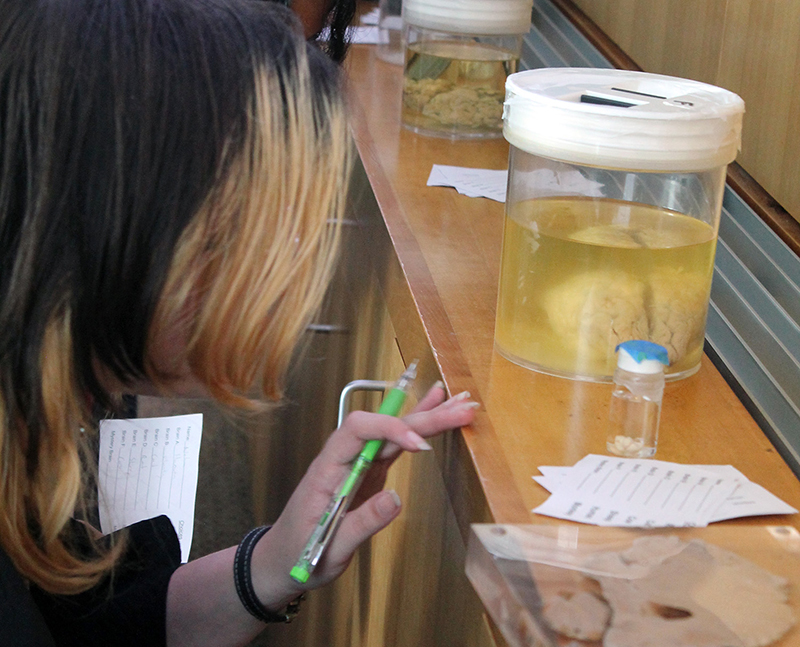
Neuroscience for Neurodiverse Learners has created, updated, and compiled a variety of guides, tools, supports, and other resources that can help offer an inclusively-designed education and workplace.
Neurodiversity reflects the wide spectrum of how human brains think, learn, and experience the world. Approximately 15-20% of individuals are considered neurodivergent, meaning they interpret, process, and learn differently from the societal standards. Neurodivergent learners often face unique academic challenges due to rigid expectations and inflexible barriers.
Traditional educational environments are not always designed to accommodate such diversity. That’s why supporting neurodivergent learners—by building accessible, flexible, and inclusive learning environments—is so important. Doing so not only helps individuals who learn differently but often improves learning for all.