

Supporting Students with Disabilities in Computing Research
Learn practical strategies and recommendations for creating more inclusive research opportunities for students with disabilities.
Interactive Learning Games for Teaching Accessible Design
This webinar introduces a set of interactive learning games designed to teach principles of accessible and inclusive design.
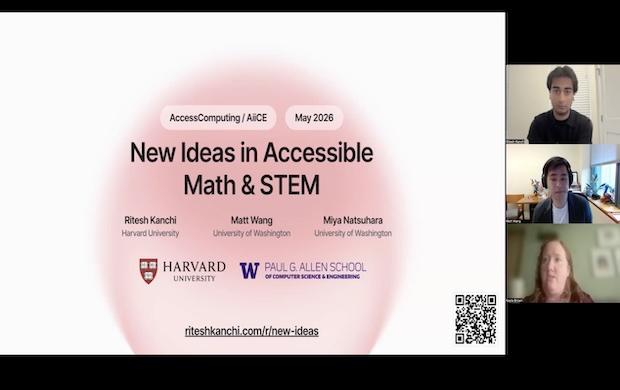
New Ideas in Accessible Math/STEM
Speakers discuss their efforts in making mathematics and STEM education more accessible for students with disabilities.
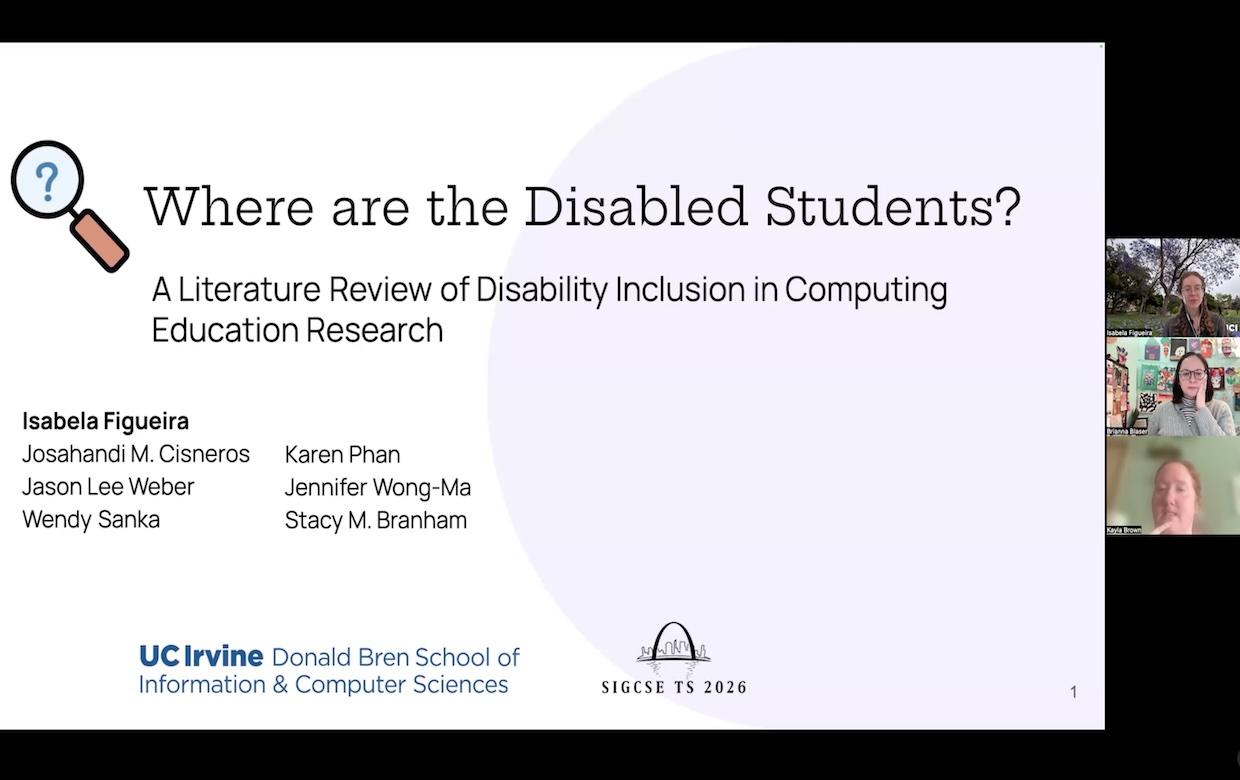
Where are the Disabled Students? A Literature Review of Disability Inclusion in Computing Education Research
Learn about disability perspectives and how disabled voices are integral to create inclusive practices and more viable computing research.
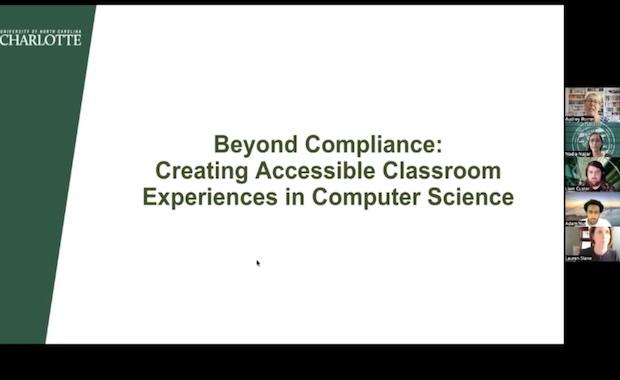
Beyond Compliance: Creating Accessible Classroom Experiences in Computer Science
This panel will discuss how some of UNC Charlotte's faculty approached modernization of their courses to embrace and apply universal design and inclusive classroom practices.
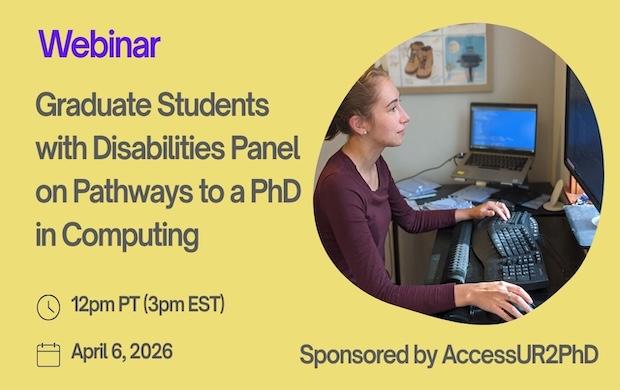
Experiences of Graduate Students in their Programs and Research
Webinar on Graduate Students with Disabilities Panel Pathways to a PhD in Computing
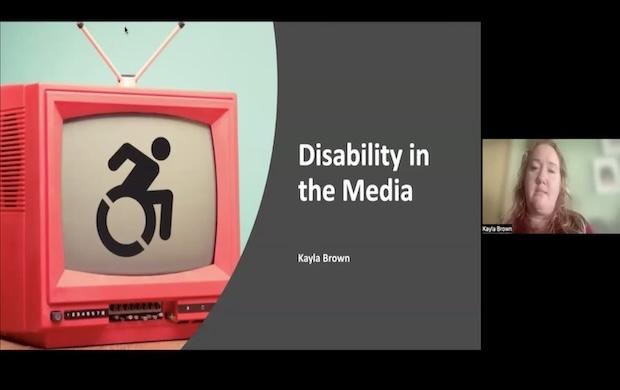
Disability, Pop Culture, and Technology
In this webinar, she will explore representation in media and pop culture; what portrayals, especially those related to technology, reveal about real-world innovation; and where narratives veer off course.
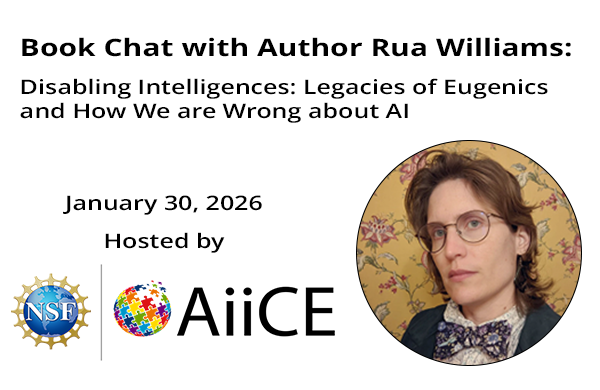
Book Chat with author Rua Williams: Disabling Intelligences: Legacies of Eugenics and How We are Wrong about AI
A live Q&A with Rua M Williams, author of Disabling Intelligences: Legacies of Eugenics and How We are Wrong about AI. Hear directly from the author and join the conversation about AI, disability, and the social impacts of emerging technologies.
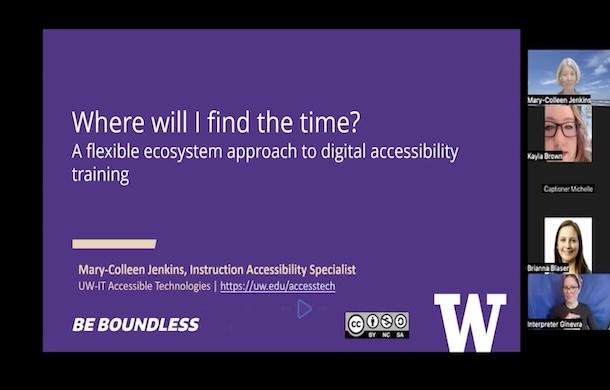
Where Will I Find the Time? A Flexible Ecosystem Approach to Digital Accessibility Training
When it comes to digital accessibility training, instructors often ask, “Where will I find time to learn these new skills?” followed by, “Where do I start?”
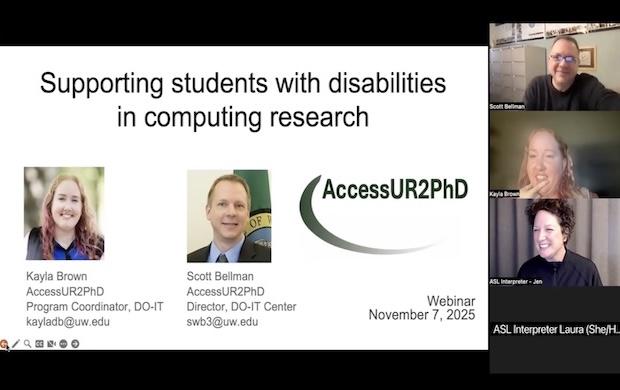
Supporting Students with Disabilities in Research
Speaker(s): Kayla Brown and Scott Bellman, UW DO IT Date: Nov 07, 2025 Grant: AccessUR2PhD This webinar focused on practical [...]
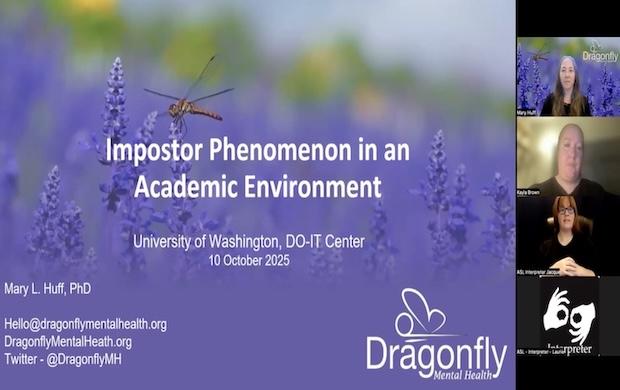
Impostor Phenomenon in an Academic Environment
Impostor phenomenon, the feeling that you don’t truly belong, is common among academics and can negatively impact both quality of life and the pursuit of knowledge, regardless of actual achievements.
GitHub's pledge to help improve the accessibility of open source software at scale
This webinar explores how GitHub is supporting the creation of open-source assistive technology, making it more accessible and affordable for people with disabilities, who often face higher unemployment and barriers due to costly proprietary tools.
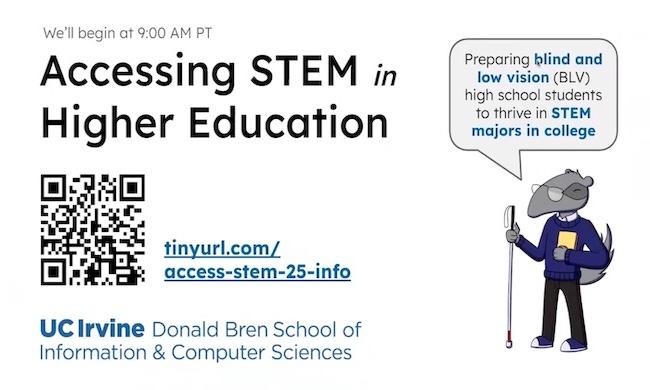
Accessibility for STEM in Higher Education
Professor Stacy Branham shared her journey in accessible technology and highlighted the lack of digital accessibility courses in computer science programs.
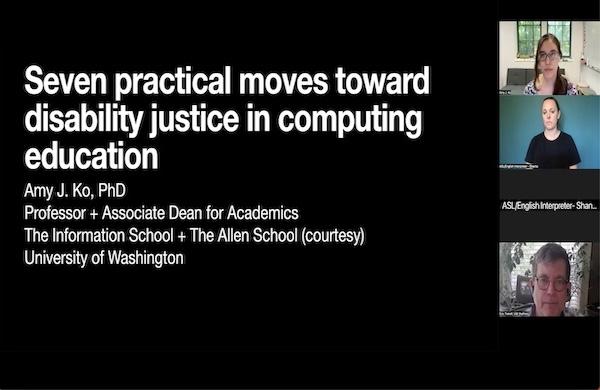
Seven practical moves toward disability justice in computing education
Amy will share how she applies a Universal Design in Learning framework to her teaching through a disability justice lens that addresses intersections with race, gender, and class.
Generative AI and Accessibility Benefits, Trade-offs and Impacts of Intersectionality
Researchers present findings on the the benefits, trades offs and impacts of using Generative AI for accessibility by members of the Deaf/HoH communities and Neurodivergent individuals.
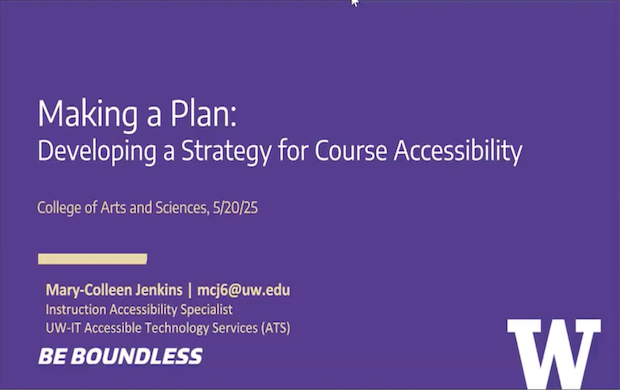
Making a Plan: Developing a Strategy for Course Accessibility
In this workshop, after establishing a shared understanding of digital accessibility, Mary-Colleen addresses a key question faculty ask when creating a plan to make their content accessible: Where should I start?
GAAD - Interdisciplinary Computing Instructor Workshop: Making Courses More Accessible
In this Global Accessibility Awareness Day workshop facilitated by UW teaching faculty, participants connected and learned strategies for making computing courses more compliant with the new ADA 2026 digital accessibility requirements.
Strategic Interview Preparation
Learn how to strategically prepare for interviews, based on the company profile, the position description and your education, experience and skill set.
Pathways to Greater Accessibility and Inclusion for Postdocs with Disabilities
Dr. Mittendorf provides a historical overview of models of disability, specifically examining their impact on the treatment of disability within academia and related fields.
The New ADA Title II Regulations on Digital Technologies: What it Means for Your School
Eve Hill explains the Department of Justice’s new ADA Title II regulation requiring websites and digital offerings of state & local governments as well as public institutions of higher education to comply with the Web Content Accessibility Guidelines 2.1.