

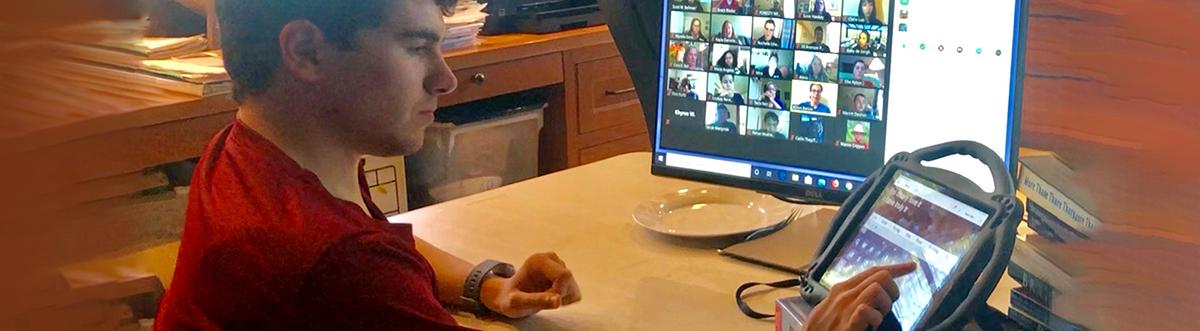
The AccessCyberlearning initiative fosters synergistic and lasting relationships among researchers, technology developers, and instructors to promote more inclusive online learning.
Resource Collections for Inclusive Online Learning
Accessible Online Learning
It’s critical to create accessible digital spaces within the classroom. The following list will detail a few tips to keep in mind when thinking about accessibility.
Accessible Presentations
The following resources provide guidance on the delivery of inclusive online presentations.
Curricula
The following resources provide guidance on accessible curricula.
Videos
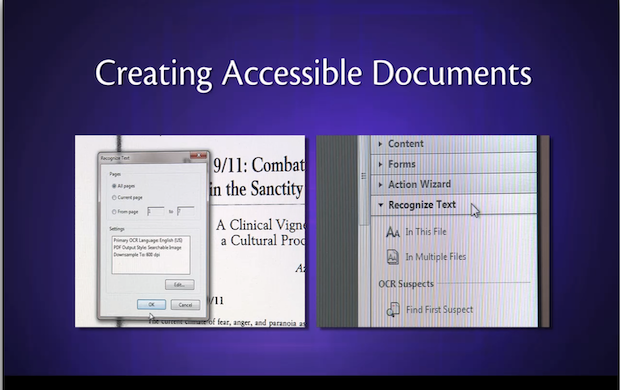
Creating Accessible Documents
Regardless of whether documents are created in Adobe PDF, Microsoft Word, or another format, there are right and wrong ways [...]
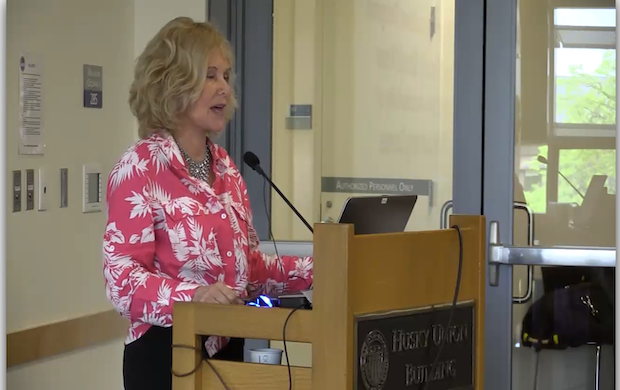
20 Tips for Instructors about Making Online Learning Courses Accessible
Sheryl Burgstahler, Ph.D., Director of Accessible Technology Services and founder of DO IT, offers a lecture to faculty in [...]
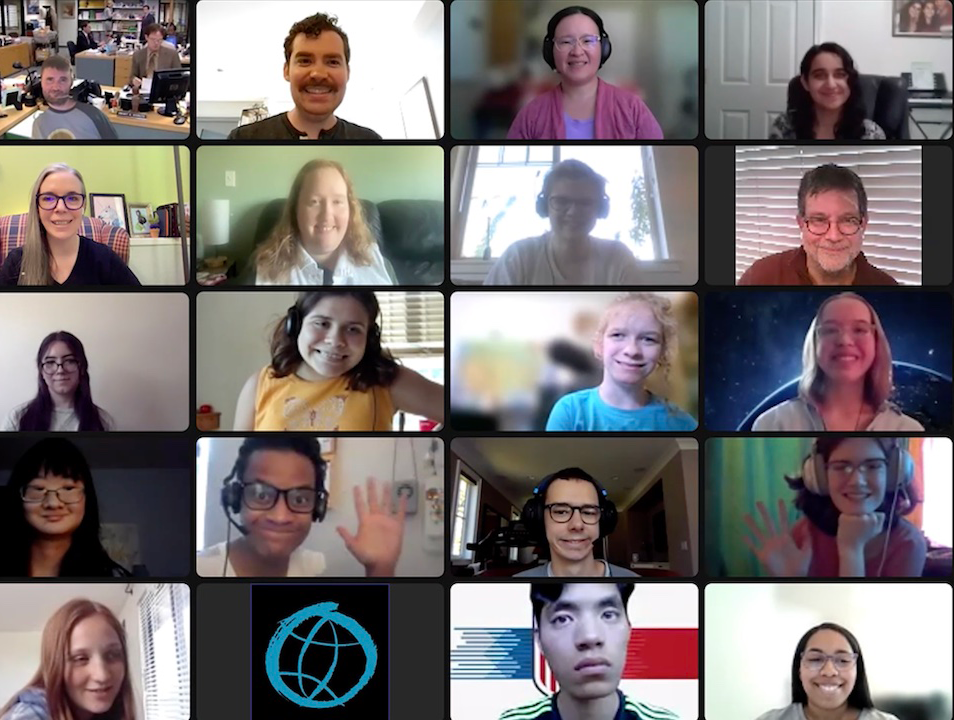
Moving DO-IT Scholars Online
The DO IT Scholars program prepares high school students with disabilities for postsecondary education. This video shares how this intensive [...]
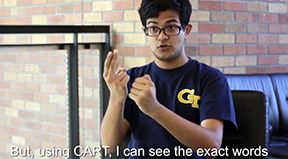
Communication Access Realtime Translation: CART Services for Deaf and Hard-of-Hearing People
Communication Access Realtime Translation (CART) provides access to communication for individuals who are deaf.Year: 2014Runtime: 07:34 minutesRelated PublicationFor additional details [...]
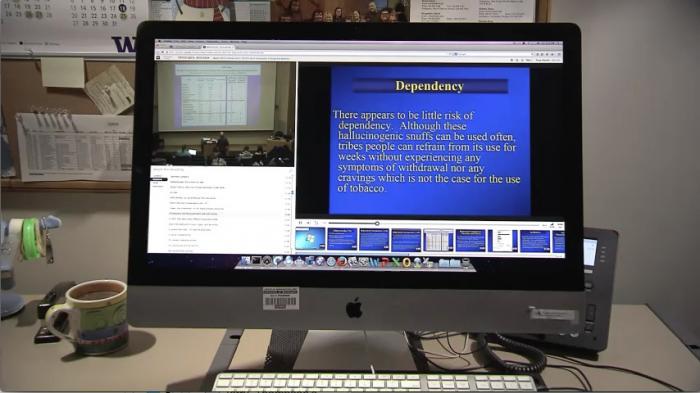
Captioning Lecture Capture Videos: A Promising Teaching Practice
This videos shows how captioning videos in a lecture capture application helps all faculty and students by making video searchable, [...]
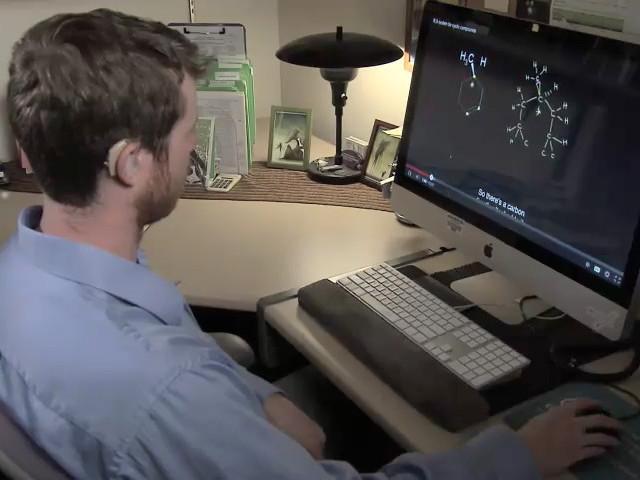
Captions: Improving Access to Postsecondary Education
Professors, students, and IT administrators share the benefits of using captions for videos used in postsecondary education. Beyond what captions [...]
The AccessCyberlearning project is funded by the National Science Foundation (grant #IIS-1550477, #DRL-1824540). Any questions, findings, and conclusions or recommendations expressed in this material are those of the author and do not necessarily reflect the views of the federal government.