The AccessINCLUDES Initiative consists of multiple collaborations with leadership from the DO-IT Center and funded by the National Science Foundation (NSF) through the Eddie Bernice Johnson INCLUDES National Network (Inclusion across the Nation of Communities of Learners of Underrepresented Discoverers in Engineering and Science). Together, they serve to increase the engagement of people with disabilities in STEM and computing fields and help other projects be more accessible to and inclusive of people with disabilities.
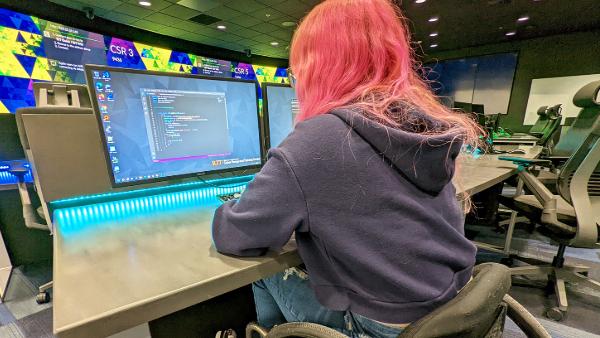
A student sitting at a computer desk in a lab environment, working on coding displayed on the screen.

The Alliance for Interdisciplinary Innovation in Computing Education (AiiCE)

Focusing on creating more equitable computing spaces, which encourages technology creators from a diverse range of identities to occupy development and leadership positions in order to avoid creating potentially discriminatory technologies.
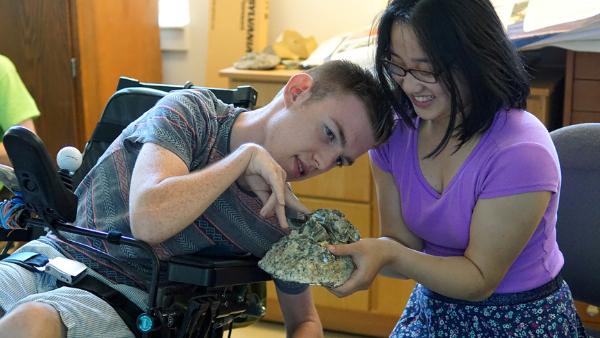
A student in a wheelchair closely examining a large rock, while another student holds the rock and assists him.

NSF INCLUDES TAPDINTO-STEM Alliance

A nationwide project employing a collective impact approach with dozens of partnering organizations to empower people with disabilities to succeed in STEM disciplines, earn degrees, and enter the STEM workforce.
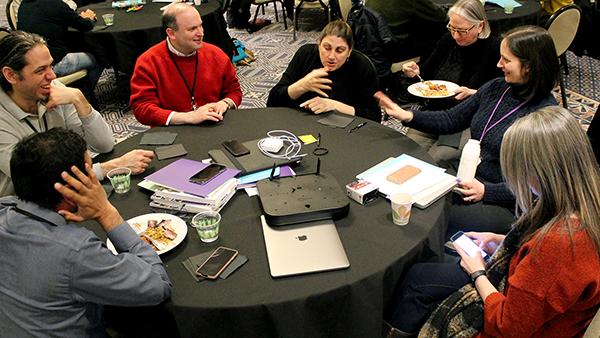
Attendees from the AccessINCLUDES Conference talking around a table.

The AccessINCLUDES Conference Project

Exploring how to make research, activities, and resources in the INCLUDES Network welcoming to, accessible to, and usable by all potential project participants, including those with disabilities.
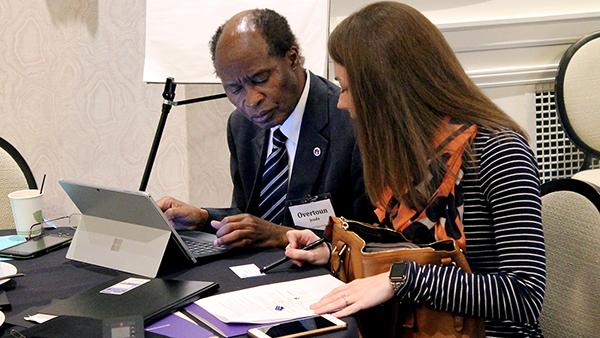
Two attendees from the AccessINCLUDES conference look over notes at a table.

AccessINCLUDES Resources

Resources for students, educators, and others interested in increasing the participation of people with disabilities in projects within the INCLUDES network.

DO-IT collaborations with INCLUDES projects are funded by the National Science Foundation (grants #HRD-1834924, #HRD-2119902, and #HRD-2118453). Any questions, findings, and conclusions or recommendations expressed in this material are those of the author and do not necessarily reflect the views of the federal government.