Advocacy and Empowerment through Student Groups
Presenter:
- Nathalie “Nyx” Moriarty, University of California Davis Aggie Neurodiversity Community
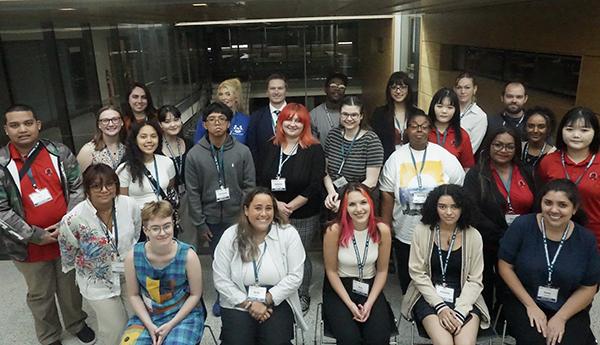
During this session, Nyx shared insights on the power of student group self-advocacy, using her experience with the Aggie Neurodiversity Community (ANC) at UC Davis as a foundation. Nyx, a fifth-year PhD student with multiple disabilities, emphasized the importance of creating a safe space for neurodivergent students, particularly those with autism and ADHD. The ANC focuses on empowering its members through social connection, advocacy, resource sharing, and community partnerships.
Nyx detailed the group's origins and achievements, highlighting their training sessions for over 2,000 UC administrators and collaborations with various organizations, including local schools. The ANC offers a mix of online and in-person gatherings, ensuring an inclusive environment where members can engage at their comfort level without pressure.
Advocacy is a crucial aspect of the ANC's work, with Nyx noting that student groups serve as powerful platforms for amplifying the voices of their members. She advised separating the social and advocacy components within student organizations to prevent overwhelming neurodivergent students, allowing them to participate in social activities without the burden of advocacy demands. This approach helped create a more sustainable model for engagement, where members can opt-in to advocacy efforts as they choose.
In addition to advocacy, Nyx highlighted the importance of resource sharing, mentioning her extensive repository of various support resources. She encouraged partnerships with other disability organizations to expand access to necessary resources and foster community connections.
Students received advice on initiating a new student group. Often, the first step is to consult the Student Organization Office on campus, which provides essential rules, guidelines, and a registration process. Although navigating this process can be challenging, the office typically has consultants available. Founding a group typically requires a basic constitution, a mission statement, and a team of initial officers and members. As groups develop, they must establish leadership structures, often requiring positions like president, vice president, and treasurer. Moreover, it’s vital to define membership criteria and levels, ensuring inclusivity and safety. The ANC was used as an example, allowing both student and associate members, with specific rights and responsibilities tailored to maintain a supportive environment.
Establishing clear community guidelines is essential for maintaining a safe and respectful environment. Guidelines should be accessible and communicated effectively to all members. Additionally, the group discussed the nuanced dynamics of including neurotypical members in advocacy groups, which can enhance the group's mission while ensuring that the focus remains on supporting the core community. It was noted that some neurotypical individuals, although well meaning, need training in being an effective ally to neurodivergent students.
In a world where systems of oppression persist, the role of disruptors and diplomats becomes crucial. Disruptors are the passionate activists who challenge the status quo, making their voices heard and demanding change. They are essential in shaking up complacent power structures, but they need the strategic finesse of diplomats—those who engage with authority figures through established channels. Together, these two forces can create a formidable alliance that ensures the needs of the community are recognized and addressed. Students, in particular, hold a unique position as both disruptors and diplomats. With the backing of their educational institutions, they can amplify their voices and organize collective action effectively. Historically, student movements have driven significant social change, and current student leaders are tasked with harnessing this potential by rallying their peers, organizing protests, and advocating for necessary reforms.
A critical area for advocacy is the accessibility and support for disabled students. At each campus, the office providing accommodations to disabled students plays a key role in ensuring that students' academic needs are met. However, it’s vital for student leaders to guide and hold this office accountable for continuous improvement. This partnership can help identify gaps in service and ensure that accommodations are effectively communicated and implemented.
Beyond academic settings, there are broader advocacy opportunities for neurodivergent individuals, particularly concerning campus safety and emergency response. As seen at UC Davis, innovative solutions like having social workers respond to crisis calls instead of police demonstrate that change is possible. Advocates can push for training and resources that consider the unique needs of neurodivergent students, ensuring that support systems are in place to help them navigate challenges effectively.
Overall, Nyx's insights underscored the potential of student groups to drive meaningful change while providing a supportive space for neurodivergent individuals; students were challenged to initiate groups on their own campus.