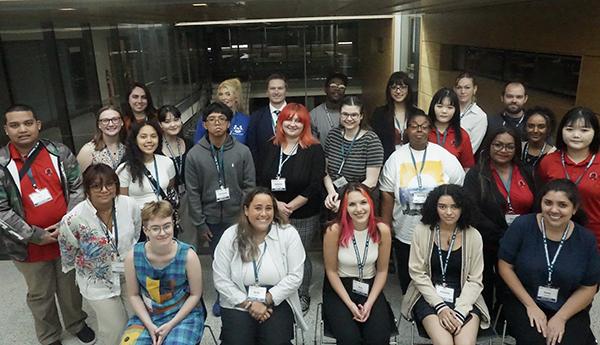
Tabletop Discussions with Neurodivergent STEM Professionals
During this session, students interacted with various STEM professionals who identify as neurodivergent. The session began with introductions:
Meena introduced herself as a software engineer at Microsoft, holding a Master's degree in computer science. She spoke about techniques she has developed to navigate a speech impairment that has accompanied her since childhood, expressing her enthusiasm for sharing strategies that aid her at work.
Eli, another software engineer, echoed similar sentiments. She, too, held a degree in computer science and openly discussed her struggles with ADHD, eager to share her personal navigation strategies within the demanding realm of software engineering.
Lauren, a user designer and researcher at the University of Washington, was interested in sharing her journey through undiagnosed autism and the later discovery of her ADHD. Her experiences in academia contrasted with those of her peers. She reflected on the unique challenges of obtaining a diagnosis as an adult.
Ricky, a software engineer from a Michigan startup, spoke candidly about his recent obsessive-compulsive disorder (OCD) diagnosis. Though he had dealt with it for years, it was only in recent times that he had named his condition, emphasizing the coping mechanisms he developed.
Leslie, a fourth-year PhD candidate in engineering, introduced herself and shared her background in computer science and human-centered design. She talked about her challenges related to anxiety, depression, and PTSD, which she had grappled with long before her formal diagnoses, providing insight into the academic landscape.
Avery, a postdoctoral researcher, humorously mentioned their upcoming dissertation deadline and discussed their ADHD and chronic illness, eager to delve into their experiences in both research and software engineering.
Finally, Jay, also facing a dissertation deadline, shared their journey through neurodiversity and a history of eating disorders. With a focus on resilience, Jay spoke about managing ADHD throughout their life while navigating high-pressure environments, offering a perspective of perseverance and achievement.
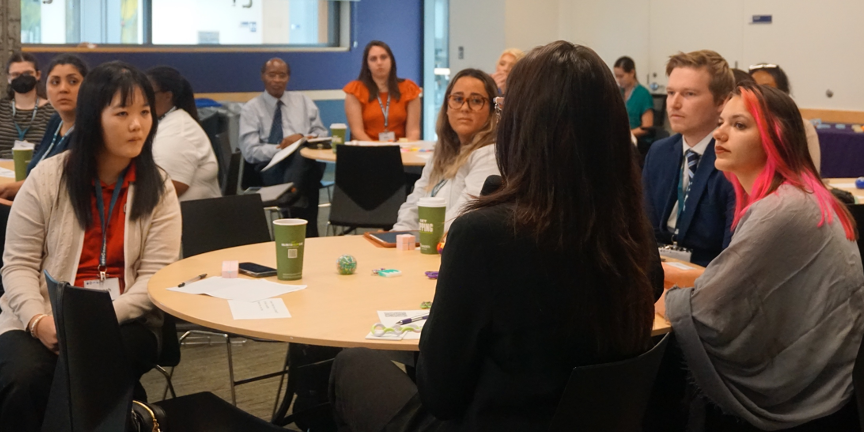
One panelist shared their experiences navigating career challenges, particularly focusing on their simultaneous journey through a PhD program and embracing an ADHD diagnosis. They emphasized the importance of "hacking" their brain—experimenting with different methods to enhance productivity and embracing their unique working style. Support from a compassionate supervisor played a crucial role in this self-exploration, allowing them to design a work schedule that accommodated their preference for switching between tasks.
Another participant reflected on the complexities of having a hidden disability, noting that many people are unaware of their neurodivergence unless disclosed. They found that being open about their working style and needs helped them manage expectations during internships and academic settings. They learned the importance of communicating their requirements, like adjusting deadlines, to create a more realistic workflow.
The conversation touched on mental health challenges such as anxiety and depression, with one individual sharing how they've learned to embrace their treatments, including therapy and medication. Recognizing and anticipating personal triggers, while maintaining open communication, have been vital in navigating their professional landscape.
One panelist offered practical advice for networking in academia, suggesting that individuals should find methods that align with their strengths. They shared their own experience of connecting with professors virtually instead of attending conferences, demonstrating that authentic engagement can lead to meaningful professional relationships.
Multiple participants discussed the importance of showing up as their true selves, especially in predominantly white or unfamiliar spaces. One individual highlighted the relief that comes from authenticity, while another, who thrives in social settings, noted the need to manage their energy levels during interactions. Overall, the conversation underscored the significance of self-awareness, open communication, and the courage to embrace one’s unique neurodiverse experiences, with the goal of ultimately fostering a more supportive and understanding work environment.